Why Safety Leaders Are Adopting Digital FLHA Solutions

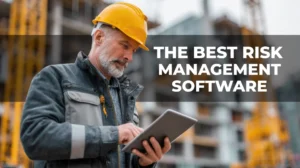
Field Level Hazard Assessments (FLHAs) keep crews safe, but traditional paper forms often slow things down, lead to errors, and make information harder to track. Digital FLHA solutions streamline the process, making it faster to report hazards, easier to stay compliant, and simpler to keep teams informed.
Here’s why more safety leaders are making the switch:
1. Faster, Smarter in the Field
These solutions are built for real conditions:
- Tap-and-go checklists and menus
- Voice entry for quick, hands-free notes
- Offline use for remote or rugged sites
The easier it is to record hazards, the more time workers have to focus on the task at hand.
2. Up-to-the-Minute Data Access
With digital FLHA solutions, reports don’t sit in a binder:
- Supervisors see assessments immediately
- Safety teams catch trends early
- Management has a live view of every crew
Information moves instantly from the field to decision-makers.
3. Clear, Complete, and Accurate
Paper forms can be messy and incomplete. Digital tools fix that:
- Required fields mean nothing is left out
- Automatic alerts flag problems right away
- Consistent formats improve clarity
Fewer errors mean stronger safety outcomes.

4. Compliance Made Simple
When it’s time for audits or inspections:
- All records are time-stamped and securely stored
- Search and filter by crew, date, or site
- Reports are ready to export instantly
No more last-minute paperwork hunts.
5. Engaging Workers in Safety
Digital FLHA solutions encourage participation by:
- Making it faster to share concerns
- Showing workers their input leads to action
- Weaving safety into the daily routine
When reporting is easy, engagement follows.
6. Turning Data into Prevention
Safety leaders can:
- Identify repeating hazards or unsafe patterns
- Adjust training before incidents occur
- Direct resources where they matter most
It’s about more than compliance, it’s about creating a proactive safety culture.

The takeaway:
Digital FLHA solutions go beyond replacing paper. They connect workers and leaders, improve decision-making, and make safety a seamless part of the job.
As work environments evolve, adopting smarter safety tools isn’t just smart, it’s essential for long-term success.