What is Gas Safety?
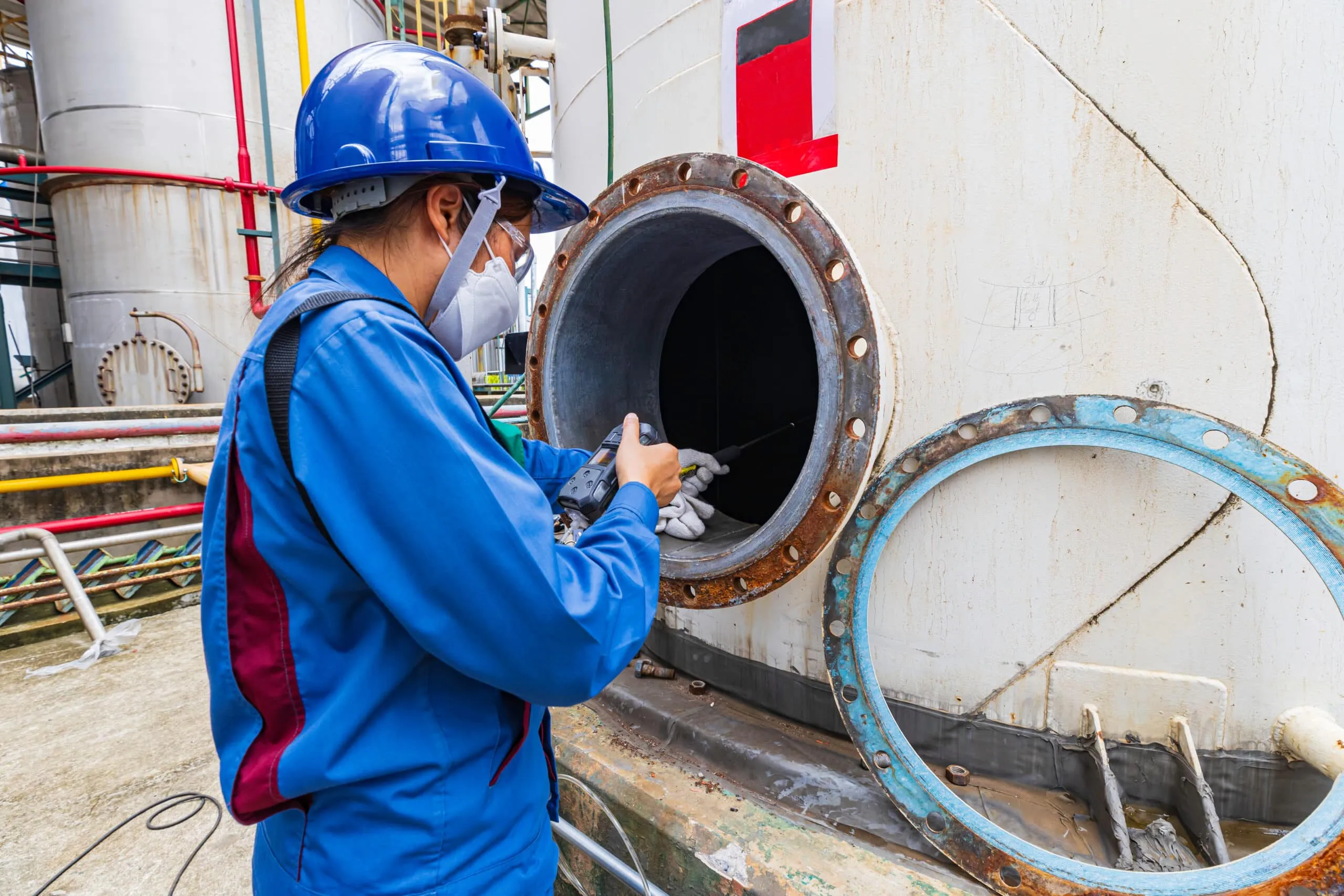
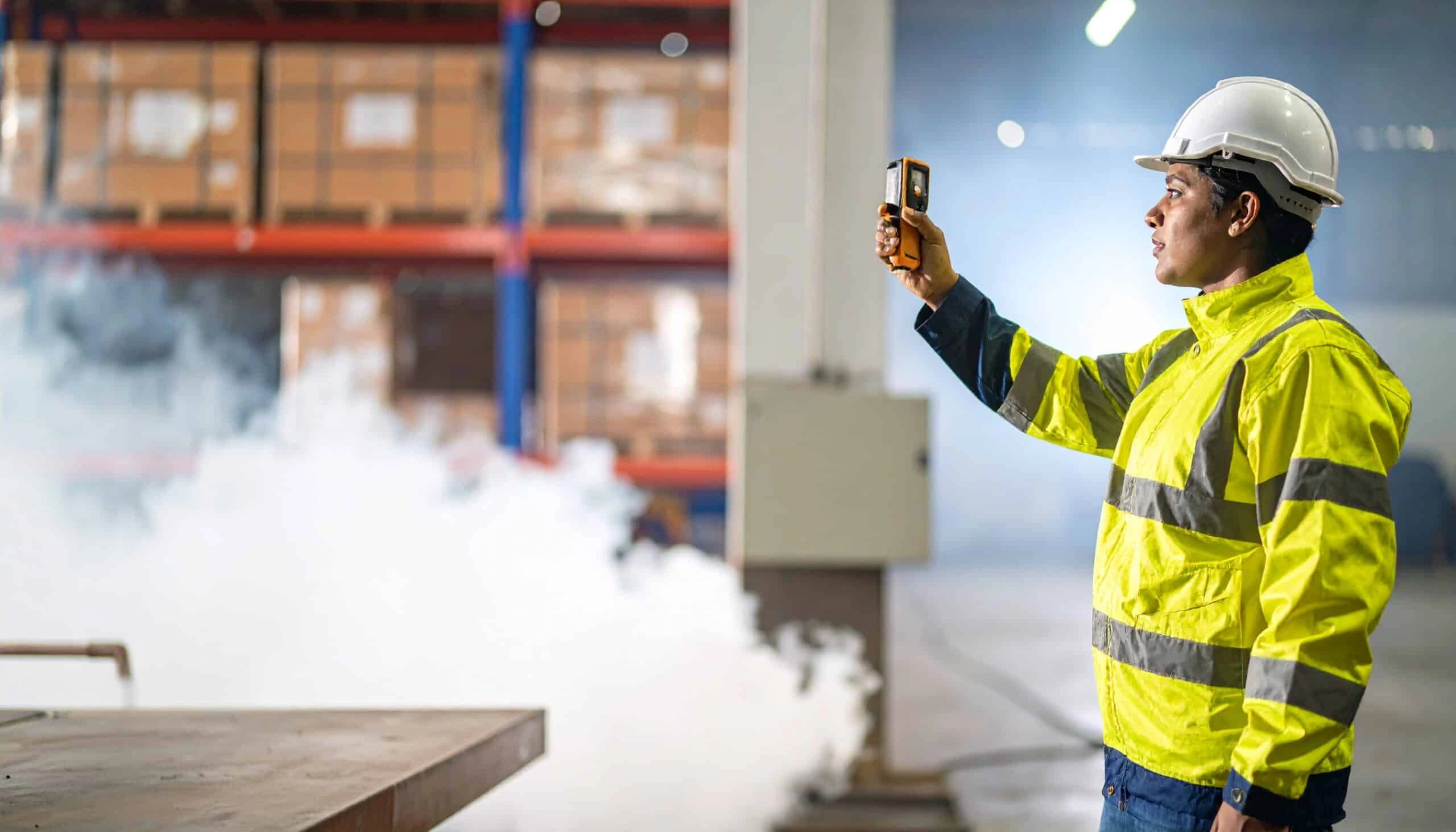
Gases can be some of the most challenging workplace hazards, as many are invisible and scentless without specialized instruments. This course explains the fundamental behaviors of gases, including how they expand, compress, and shift between states. Learners will explore how vapour density affects where gases accumulate, why temperature and pressure changes matter in storage, and how concentration levels can impact health and safety. The training highlights safe handling practices, hazard recognition, and the importance of effective control measures to keep workers protected.
Course Overview
Gases, one of the three primary states of matter, pose serious risks in the workplace because many are invisible, scentless, and undetectable without specialized instruments. To work with gases safely, it is important to understand their unique behaviours, such as how they expand, compress, and shift between states. A gas’s vapour density determines whether it will accumulate near the floor or rise overhead, creating unseen hazards in different areas of a job site. Changes in temperature can also influence the pressure and volume of gases, especially when stored in compressed containers. In addition, the level of gas concentration in the air can dramatically affect health and safety, making monitoring and control systems critical. This training program emphasizes hazard recognition, safe handling techniques, and the importance of control measures. Learners will complete a final exam to validate their understanding.
COURSE TOPICS
- What is Gas?
- Vapour Density
- Temperature, Volume, and Pressure
- Exposure and Explosive Limits
ONLINE COURSE DURATION
Estimated completion time: 20 minutes
PASS MARK
To successfully complete the module, participants must achieve a minimum score of 80%. Learners have up to three attempts to meet this passing requirement.
CERTIFICATION
Upon successful completion of this online course, a certificate of completion will be available for download and printing.