
Leading with Empathy: Why Emotionally Aware Leadership Is Surpassing Traditional Models

Authoritarian leadership is fading fast. This post explores how emotionally intelligent leaders are outperforming outdated models with empathy and trust.
Why Emotional Intelligence Might Be the Most Overlooked Safety Tool on Your Site

Rules matter—but how people feel matters more. This post explains why emotional intelligence may be the most powerful and overlooked safety tool onsite.
Boots Before Briefcases: What the Field Knows That the Office Forgets

Boots before briefcases—field-tested leaders like Jeremy Desilets bring real-world experience and trust to safety, proving that true safety culture is lived, not just enforced.
Practice Like a Pro, Work Like a Lifesaver

What set Steve Nash apart on the court is now setting new standards for safety training: feedback, repetition, and pressure-based practice that sticks.
The Silent Hazards in Safety Meetings—and Why Speaking Up Could Save Lives

Safety talks often overlook what matters most: the things left unsaid. This piece uncovers the quiet truths that could help prevent serious incidents.
The Lone Safety Hero Is a Lie

The idea of a lone safety hero might make a great story, but it’s a dangerous myth. Real safety is built on systems, shared responsibility, and a strong culture where everyone plays a part.
Training for the Driverless Era: What Autonomous Freight Means for Safety and Skills

As autonomous freight rolls out, safety training must evolve. Learn how automation is reshaping risk, workforce skills, and the future of freight operations.
The Quiet Rebellion Behind Todays Safety Culture
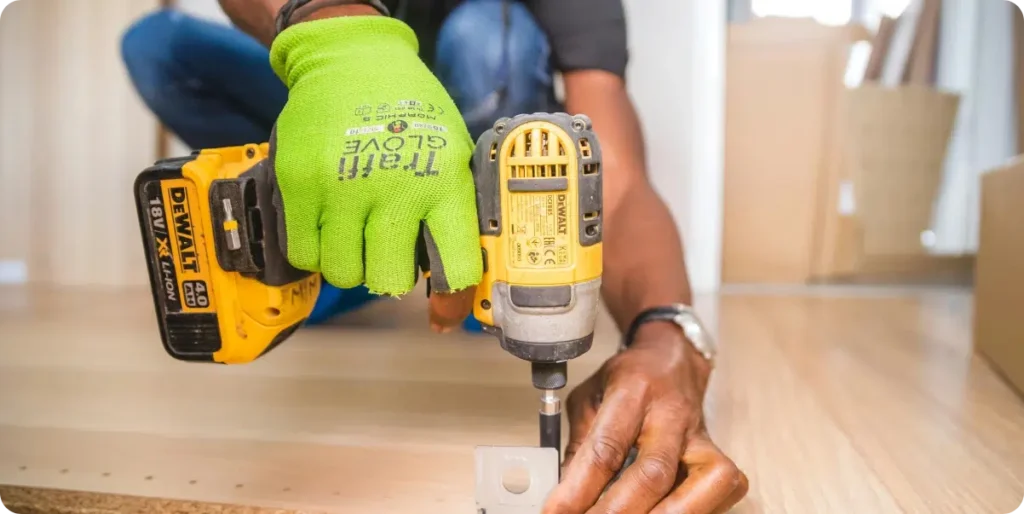
Discover how everyday workers reshape today’s Safety Culture through small but vital acts—tweaking processes, speaking up, and preventing accidents one step at a time.
The Dangerous Lie Hiding in Plain Sight

A perfect safety record might feel like a win, but it can hide the truth. When workers stay silent, risks go unreported—and unaddressed. Real safety starts with trust, not just clean numbers. If your team isn’t speaking up, it’s not a sign of success—it’s a warning. True safety means creating a culture where people feel safe to tell the truth.
Warning Signs Don’t Shout — Until It’s Too Late

Complacency kills. Real-world safety demands daily awareness, not just theory. Learn why proactive habits matter before warning signs shout.