
A Practical Guide to Selecting EHS Software That Works
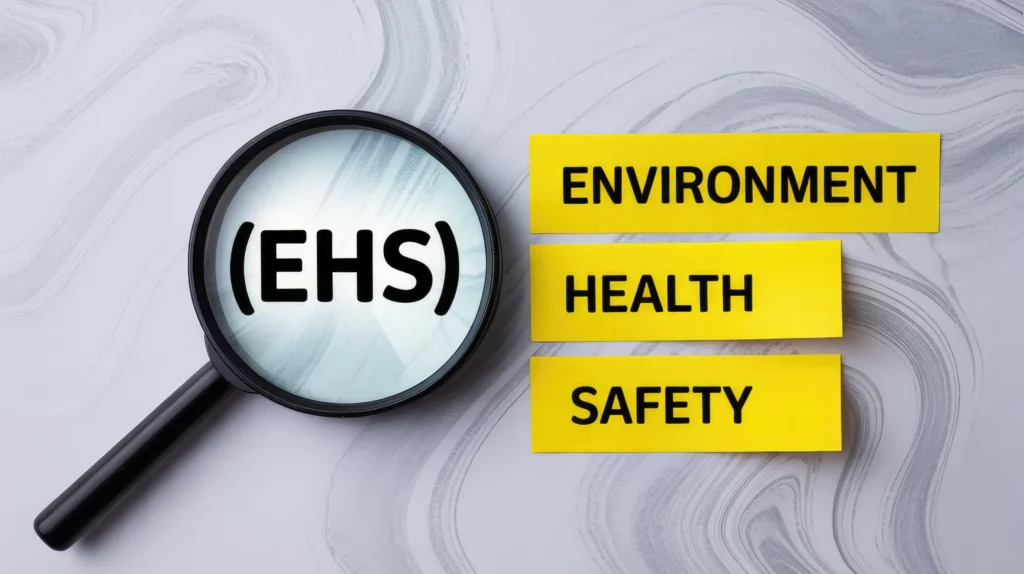
Choosing EHS software is a strategic move that influences safety culture, reporting accuracy, and organisational performance. With shared input across departments, teams can select a system that truly supports their work.
Spring Readiness: Essential Lawnmower Safety Steps for Your Crew

Spring brings new growth and new hazards. This blog explores how lawnmower safety training prepares crews to inspect equipment, choose the right mower, manage changing weather, and respond confidently in emergencies before the season gets busy.
Confined Space Safety Awareness – Understanding the Risks
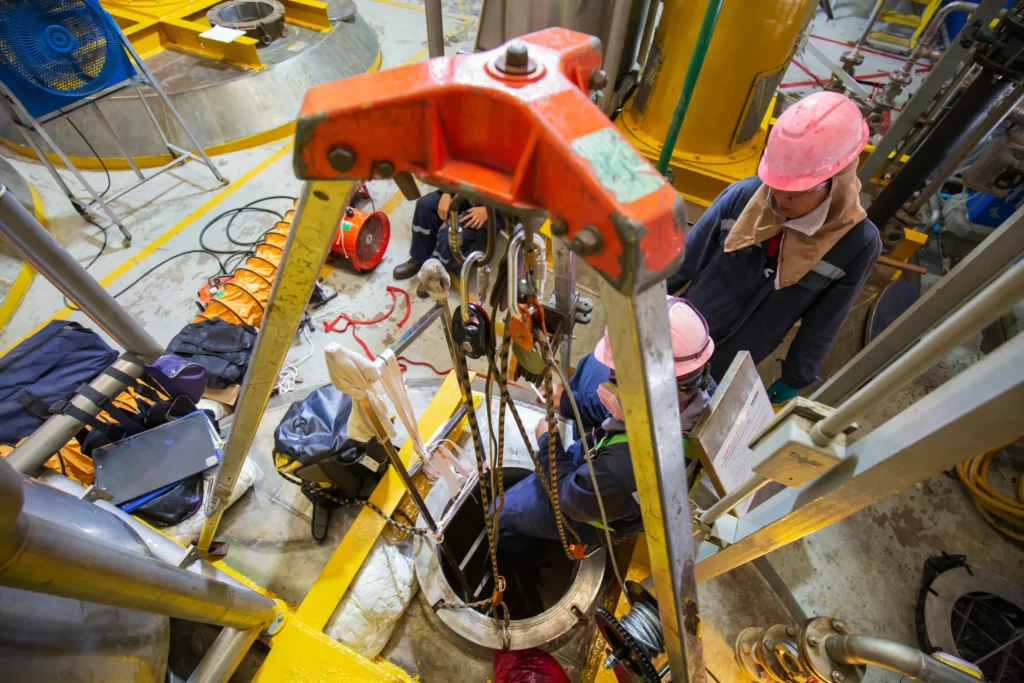
Learn how confined space safety awareness helps teams identify hazards, follow regulations, and perform safe entries through planning and communication.
Gas Detection: Turning Invisible Risks into Actionable Alerts

Gas hazards don’t announce themselves. Pick the right detectors, place and sample correctly, and verify with bump tests and calibration. Train your team to read, respond, and act fast so hidden risks are found before they harm.
Winter Worksites: How to Stop Same‑Level Slips, Trips, and Falls

Icy walkways, dark mornings, and hidden hazards make winter a top time for on-the-job falls. Get ahead with proven controls, smart footwear, and staff involvement for a safer, injury-free season.
Cargo Securement: Why Precision Prevents Incidents

One weak strap or bad angle can cause a load shift, injuries, and costly delays. Use layered securement, containment, immobilization, and tiedowns plus disciplined inspections to keep cargo and people safe.
Hazardous Energy Control: Building Safer Worksites with Lockout/Tagout

Uncontrolled energy turns routine work into serious risk. This guide outlines Canadian best practices for lockout/tagout: recognizing all energy sources, writing machine‑specific procedures, assigning roles, applying locks and tags, and verifying zero‑energy before work resumes.
From Planning to Protection: Safe Handling and Spill Response for Anhydrous Ammonia
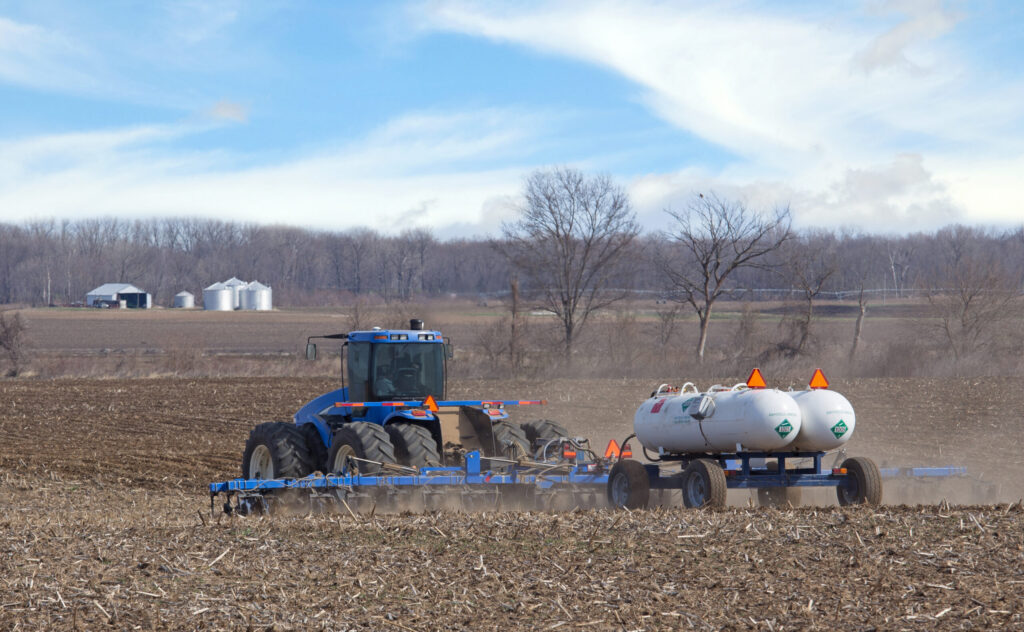
Anhydrous ammonia is colourless, fast‑moving, and highly reactive with moisture, small lapses can escalate quickly. This guide shows Canadian worksites how to recognize NH₃ early, control storage and transfer, protect health, respond to releases and prevent misuse through layered security and consistent practice.
Traffic control: Where Safety Meets Motion

Traffic control keeps live work zones safe by balancing motion and protection. Skilled flaggers, clear communication, and smart planning prevent chaos and protect every road user.
First Aid at Work: A Shared Duty for Every Employee

Emergencies can happen anywhere from offices to job sites. Learn how workplace first aid training builds confidence, ensures quick action, and saves lives.