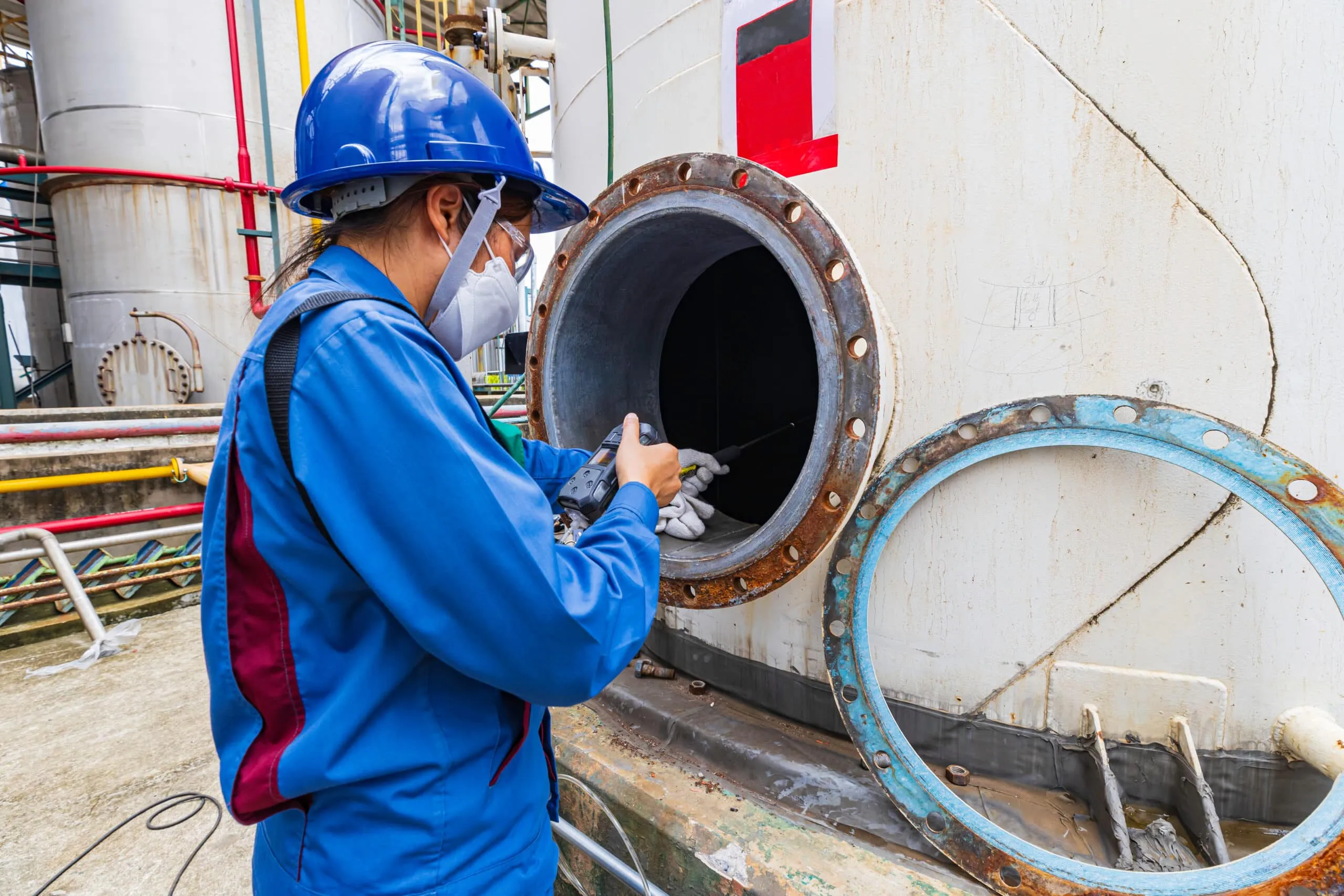

What is Electrical Safety in HAZMAT Environments?
Working in HAZMAT environments presents unique electrical hazards that can trigger fires, explosions, or the release of toxic substances if not properly controlled. The Electrical Safety in HAZMAT Environments course equips employees with the knowledge to recognize hazardous materials, understand National Electrical Code (NEC) HAZMAT classifications, and apply safe work practices. Through guidance on engineering controls, intrinsically safe systems, equipment isolation, and procedures such as purging and pressurization, learners gain the skills needed to manage electrical risks effectively and maintain compliance with OSHA HAZWOPER standards.
Course Overview
The Electrical Safety in HAZMAT Environments course provides workers with essential training to meet OSHA’s HAZWOPER requirements (29 CFR 1910.120). Hazardous materials and hazardous waste are encountered in many industries, and employees must understand how to recognize these substances, manage associated electrical hazards, and work safely in high-risk environments.
This course explains how uncontrolled electrical energy interacts with hazardous atmospheres and how arcs, sparks, or high temperatures can trigger fires, explosions, or other dangerous events. Learners explore the National Electrical Code’s HAZMAT classifications, engineering controls, intrinsically safe systems, and safe work practices that reduce the risk of ignition. The training also addresses confined spaces, isolating equipment, and methods such as purging, inerting, and pressurization, critical procedures for preventing electrical incidents in hazardous locations.
Ideal learners include employees who work directly with hazardous materials, operate equipment in classified environments, or require HAZWOPER-related electrical safety training.
TOPIC OVERVIEW
Working in HAZMAT environments requires strict control of ignition sources, electrical systems, and hazardous energy. Understanding HAZMAT classifications, engineered protections, and safe operating procedures helps workers prevent explosions, fires, and release of toxic substances. This course strengthens hazard recognition and reinforces the practices required for safe electrical work in regulated environments.
COURSE TOPICS
Arcs, Sparks, and High Temperatures
- Understand how ignition sources develop
- Learn the conditions that create explosive hazards
National Electrical Code HAZMAT Classes
- Review NEC classifications for hazardous locations
- Understand the risk levels associated with each class
Engineering Controls
- Explore ventilation, isolation, and other engineered safeguards
- Learn how controls limit ignition and electrical exposure
Safe Work Practices
- Review essential precautions for working in hazardous atmospheres
- Understand PPE, procedural rules, and hazard-specific behaviors
Intrinsically Safe Electrical Systems
- Learn how equipment is designed to prevent ignition
- Understand where and when intrinsically safe systems are required
Isolating Machinery
- Review methods for isolating hazardous energy sources
- Understand procedures for de-energizing equipment safely
Purging, Inerting & Pressurization
- Learn how these methods reduce atmospheric hazards
- Understand when each technique is required
Confined Spaces
- Recognize the added risks of electrical work in confined spaces
- Review ventilation and entry procedures
Uncontrolled Electrical Sources
- Understand the dangers of live or unprotected energy sources
- Learn how to manage and control electrical risks
COURSE DURATION
This online Electrical Safety in HAZMAT Environments course takes approximately 45 minutes to complete. Learners can pause and resume training as needed.
PASS MARK
A minimum score of 80% is required to pass this course. Learners may attempt the final assessment up to three times. A downloadable student manual is available to reinforce key concepts and support long-term knowledge retention.
CERTIFICATE OF COMPLETION
Upon successful completion, learners may download and print a digital certificate of completion, confirming their understanding of electrical safety practices in HAZMAT environments.