What Is FMEA?

Failure Modes and Effects Analysis (FMEA) is a structured approach to spotting risks before they happen. It analyzes how things could go wrong in a system, product, or process and helps prioritize what needs fixing first.
Today, FMEA is used widely across manufacturing, energy, transportation, and healthcare to strengthen systems and prevent incidents.
The Role of FMEA in Safety and Quality
FMEA is a key part of building safer, more resilient operations. It allows teams to catch early signs of risk, from equipment faults to process gaps, before those issues grow into major safety events or compliance violations.
“FMEA is like risk radar. It shows you where to act before anything breaks.” Quality Systems Engineer, Operations
With this proactive approach, teams don’t just react to problems, they prevent them entirely.
How FMEA Works: A Step-by-Step Overview
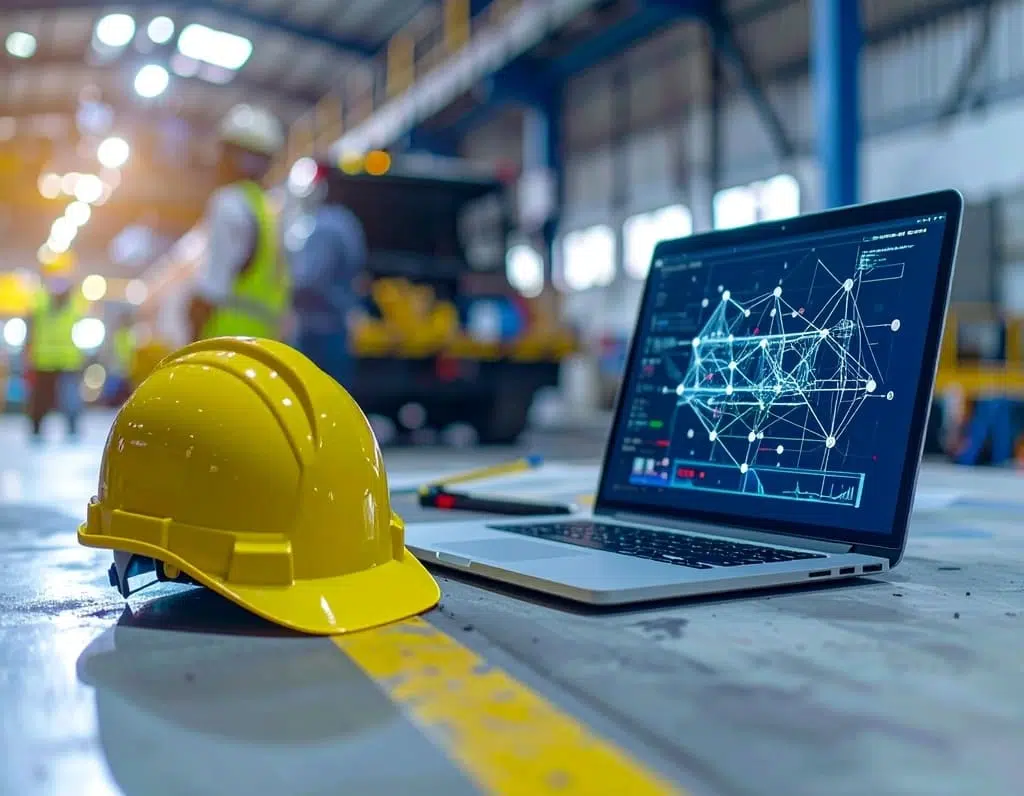
FMEA is a team-based process that involves mapping out what could go wrong and assigning risk scores:
- Scope the Analysis – Choose the process or system you’re reviewing
- List Potential Failures – Identify where problems could occur
- Evaluate Impact – Determine what those failures would affect
- Pinpoint Root Causes – Understand what would trigger the failure
- Score Each Risk – Use severity, likelihood, and detection
- Calculate RPN – Combine scores to rank priorities
- Tackle High-Risk Issues – Focus improvement efforts
- Track Progress – Follow up on corrective actions
Where FMEA Makes a Difference
- In factories, FMEA detects signs of future breakdowns like component fatigue.
- In clinics, it helps ensure safe medication handling.
- In public works, it anticipates system failures before public safety is at risk.
FMEA Benefits at a Glance

- Reduces downtime and unplanned outages
- Improves team communication and cross-department insight
- Builds a culture of accountability
- Strengthens compliance and audit readiness
- Enables data-driven safety improvements
Conclusion
FMEA is more than an analysis, it’s a foundation for safety and continuous improvement. By applying it early and often, organizations can reduce risk, protect teams, and build better systems that are designed to succeed.