You Can’t Improve Safety Without Tracking
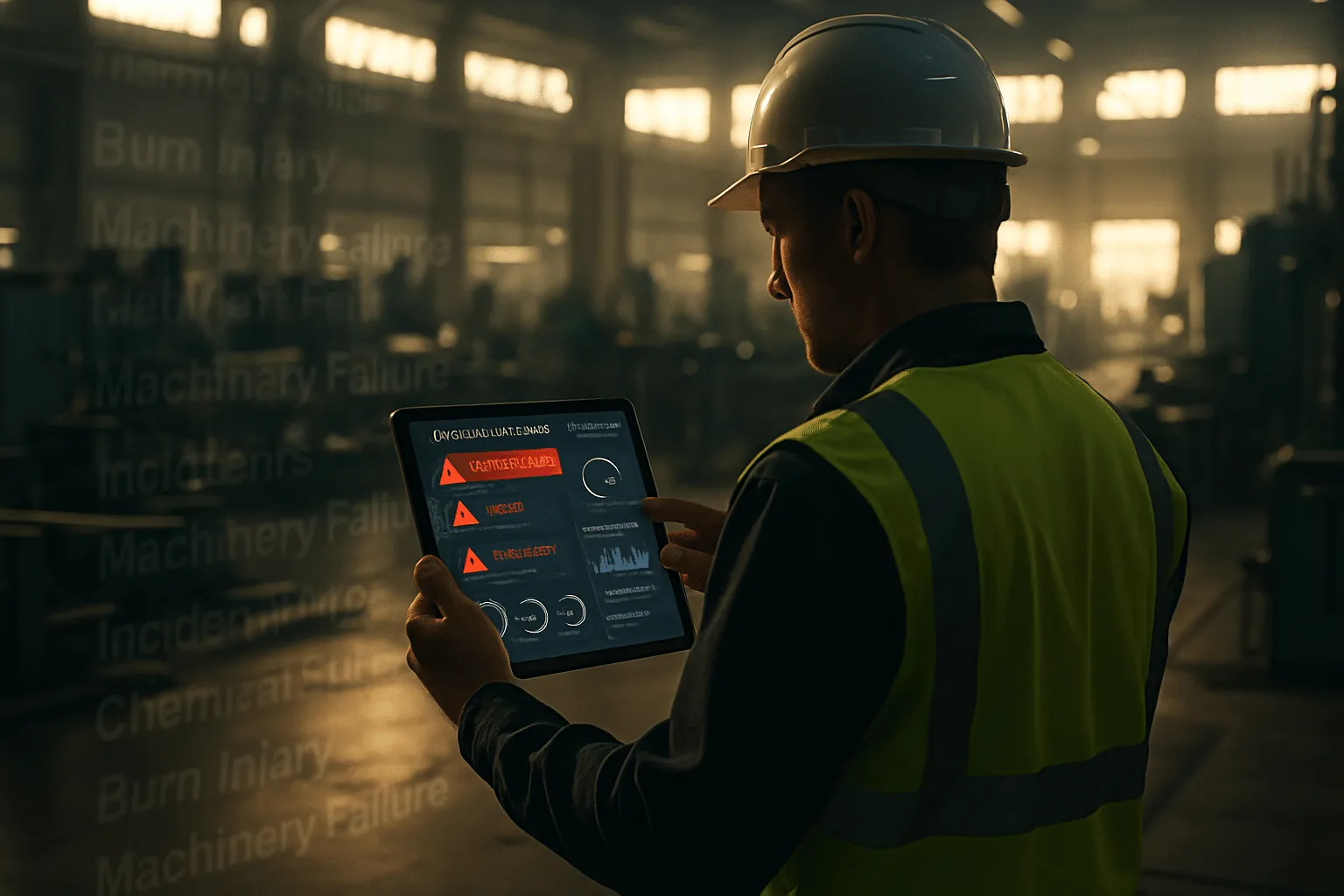
Every safety leader has faced it, the near miss no one documented, the late report, or the form sitting untouched until the next audit. These gaps put both people and progress at risk.
A workplace incident management system (IMS) changes that. It ensures every occurrence, big or small is documented, reviewed, and used to make smarter decisions.
Here’s why adopting one now makes sense.
1. Faster, More Reliable Reporting
When an incident happens, timing matters. An IMS lets teams:
- Report instantly from mobile devices on-site
- Add photos, voice recordings, and auto-filled information
- Timestamp and geo-tag reports for accuracy
This means details are captured correctly right away.
2. Thorough Investigations and Root Cause Clarity
Without proper analysis, incidents can’t teach us much. A good IMS:
- Guides investigators through step-by-step workflows
- Supports root cause tagging and 5-Why techniques
- Assigns corrective actions with due dates and alerts
It turns a single event into a valuable learning opportunity.
3. Centralized, Searchable Data
Paper records and scattered spreadsheets waste time. A cloud-based IMS:
- Stores all reports in one secure location
- Lets you search by type, site, date, or result
- Links related incidents, follow-ups, and training
Audits and reviews become quicker, with greater transparency.
4. Real-Time Insight for Decision-Makers
Dashboards provide leaders with a live view:
- Track incidents by category, severity, or location
- Spot overdue actions or recurring hazards
- Step in before a situation worsens
It’s more than reporting, it’s active oversight.
5. Compliance and Documentation You Can Trust
If there’s no record, it’s like it never happened. An IMS:
- Time-stamps reports and follow-up actions
- Tracks corrective measures through completion
- Creates solid documentation for compliance and legal defence
It proves that safety measures aren’t just policy, they’re practice.
6. Continuous Safety Enhancement
Beyond problem-solving, IMS insights:
- Reveal weak points before they cause incidents
- Guide improvements based on real data
- Show how safety programs are working
It moves safety from reactive response to proactive protection.
Final thought: A Practical Step Toward Safer Workplaces
An incident management system is less about paperwork and more about progress. It captures every lesson, helps prevent repeat issues, and keeps teams safe. The best time to adopt one? Before the next incident happens so your team can work with confidence, knowing the right systems are in place to protect them every day.